
Advancing Community Energy Resilience: Rogue Valley, Oregon
Sustainable Northwest
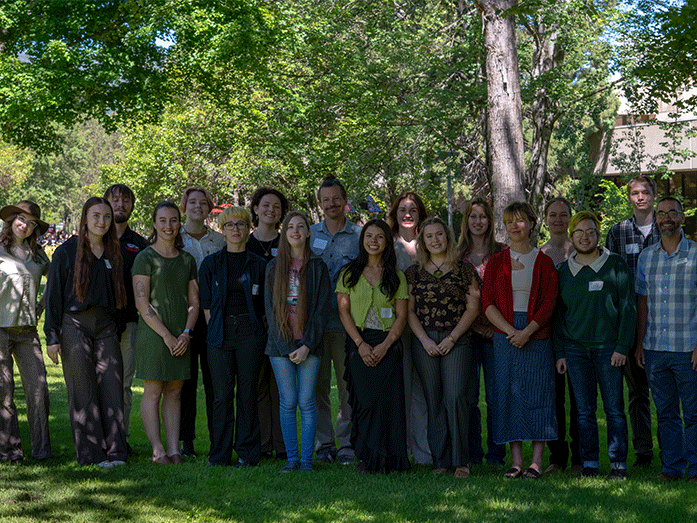
As part of SOU’s Community Resilience & Leadership program, student fellow Dylan Houk spent 10 weeks working with Sustainable Northwest to research the value of community resilience and microgrids, and their growing importance in the Rogue Valley. This case study highlights the real-world research and community partnerships at the heart of CRL, connecting student learning with practical solutions to regional challenges.
Oregonians are pursuing new pathways to achieve higher levels of energy security and independence in their communities. More frequent and prolonged grid disruptions caused by extreme weather events and natural disasters like wildfire are resulting in public safety power shutoffs (PSPS) across the state. These events are especially significant for end-of-line rural populations with limited access to emergency services and backup power. Additionally, energy demand from large users like data centers is projected to increase in the near future, further straining the grid. For example, over 120 data centers are operating in the state today, a number that is expected to grow in the coming years. Under projected growth levels, Oregon’s energy demand could increase by up to 40% from 2024 levels by 2030.
Fortunately, Oregon is exploring innovative solutions to bolster community energy resilience and safeguard against negative impacts. This case study discusses how stakeholders in the Rogue Valley and beyond are harnessing investments to fund local initiatives like energy efficiency, weatherization, and low-carbon energy generation….